How Advanced Hemodynamic Monitoring Simplifies Clinical Decision-Making 

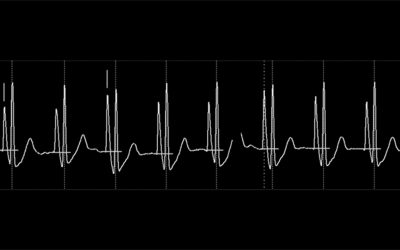
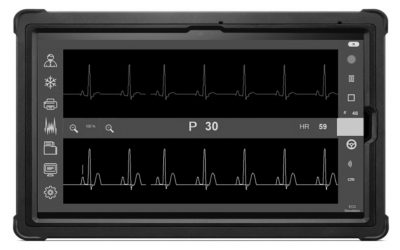
Advanced hemodynamic monitoring provides parameters beyond traditional vital signs (blood pressure [BP] and heart rate, e.g.). For patients with—or at risk of—circulatory failure, does the...

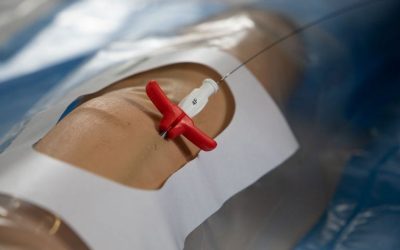
RADIALS: An Evidence-Informed Framework for Safer Radial Arterial Catheterization

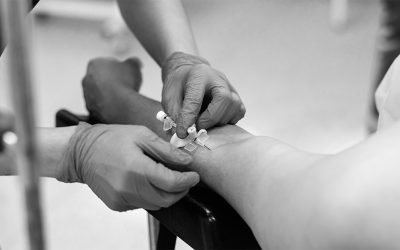
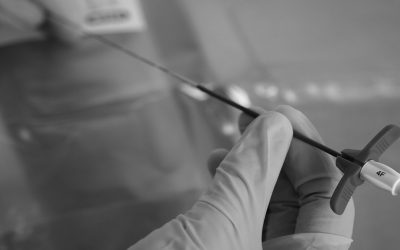
Radial arterial catheters are foundational to hemodynamic monitoring and blood sampling across anesthesia, intensive care, and emergency medicine. Yet preventable complications—mechanical...

INSURE vs LISA surfactant administration

Explore the key differences between INSURE vs LISA in surfactant administration for neonatal RDS. Learn which technique offers better outcomes, reduced invasiveness, and improved respiratory stability in preterm infants.

INSURE vs LISA surfactant administration

INSURE vs LISA surfactant administration

Every day in NICUs, clinicians face the challenge of supporting the fragile respiratory systems of preterm infants. Among the most critical decisions is determining how to deliver surfactant, a choice that directly influences outcomes such as mechanical ventilation...

read more

Why CO?

Why CO?

In acute care areas, where patients can be hemodynamically unstable (or at risk of instability), clinicians aim to optimize perfusion in order to avoid organ dysfunction, multi-organ failure, or even death. These areas refer to critical care units, perioperative areas...

read more

5 midline complications to know

5 midline complications to know

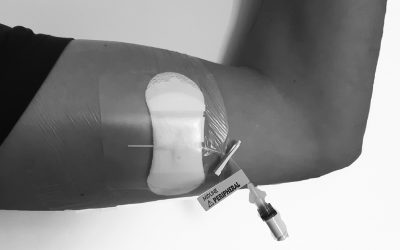
The administration of drugs can give rise to problems such as phlebitis and extravasation among others, which can force us to use various peripheral routes. Over time, different devices have emerged, including midlines. Scientific evidence shows us that this class of...

read more

The PICC-port revolution

The PICC-port revolution

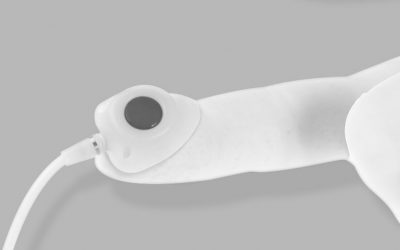
The PICC-port is the latest breakthrough in Venous Access Devices (VADs) and is now included in the DavExpert app's solution for patients. New studies are showing it is a safe, effective, efficient and goodlooking option for cancer patients. How has this device...

read more

How to locate the tip of a PICC

How to locate the tip of a PICC

The reference guidelines on vascular access leave no doubt: it is essential to position and correctly locate the tip of a PICC. Otherwise, healthcare professionals risk encountering complications that can jeopardize the ongoing treatment and even the patient's health....

read more