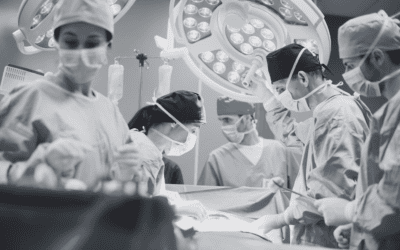

Sustainability is becoming a critical priority in healthcare, driven by ambitious targets such as the NHS commitment to achieve Net Zero by 2040 and the EU Green Deal objectives. Medical devices contribute significantly to the healthcare sector’s carbon footprint, with single-use plastics being a major concern. Within neonatal care, vascular access is an area where sustainability considerations are gaining attention. Longline catheters may offer an opportunity to reduce environmental impact while maintaining clinical effectiveness. This aligns with NHS Greener Healthcare initiatives1 and the Design for Life2 roadmap.
Current Practice
Neonatal vascular access typically involves three main options:
- Umbilical catheters: These are used for short-term access but often require frequent replacement, generating high levels of waste.
- Peripheral IV cannulas: These have a short lifespan and involve multiple disposables, leading to repeated material use.
- Longline catheters: These are designed for prolonged therapy and require fewer replacements.
Using longlines reduces the need for multiple peripheral cannulas, helping to cut overall material use and minimise waste.3
Environmental Impact of Catheters
Single-use devices generate significant plastic waste, and materials such as PVC and additives such as DEHP4 raise both health and environmental concerns5. Life Cycle Assessment studies indicate that reusable or hybrid kits can cut carbon footprints by up to 90 per cent compared to single-use alternatives5.
How Longlines Support Sustainability
Longline catheters offer several sustainability advantages:
- Fewer device changes: A single longline can remain in place for 7 to 14 days, reducing the need for multiple peripheral cannula insertions and associated consumables.
- Lower packaging waste: Compared to repeated short-term devices, longlines generate less packaging waste.
Conclusion
Longline catheters can play a meaningful role in reducing waste and supporting sustainability goals by minimising device turnover. However, further innovation and policy alignment are essential to maximise their environmental benefits without compromising patient safety. Life-cycle costing should become a standard part of procurement decisions, and collaboration between clinicians, manufacturers and sustainability teams will be key to achieving Net Zero targets.
References
- NHS England. Delivering a net zero NHS [Internet]. NHS England; 2025 [cited 2025 Dec 16]. Available from: https://www.england.nhs.uk/greenernhs/a-net-zero-nhs/
- European Commission. Design for Life roadmap: the government’s plan to build a circular economy for medical technology [Internet]. UK: Department of Health and Social Care; 2024 [cited 2025 Dec 16]. Available from: https://www.gov.uk/government/publications/design-for-life-roadmap
- UC Davis Health. NICU Vascular Access Procedures [Internet]. Sacramento (CA): UC Davis Health; 2023 [cited 2025 Dec 16]. Available from: https://health.ucdavis.edu/media-resources/pediatrics/documents/pdfs/clinical-guidelines/procedures-nicu-vascular-access.pdf
- RTI International. The health risks of DEHP in medical devices [Internet]. 2024 [cited 2025 Dec 16]. Available from: https://www.rti.org/insights/dehp-medical-device-health-risk-alternatives
- HealthcareLCA. The environmental impact of single‑use, hybrid and reusable central venous catheter insertion kits [Internet]. HealthcareLCA; 2023 [cited 2025 Dec 16]. Available from: https://healthcarelca.com/alerts/the-environmental-impact-of-single-use-hybrid-and-reusable-central-venous-catheter-insertion-kits