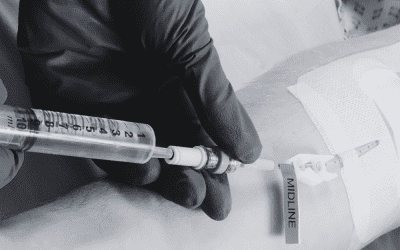
Campus Vygon

A place to learn about health procedures and techniques from leading professionals.
Foundations of Neonatal Enteral Nutrition

Foundations of Neonatal Enteral Nutrition

Why Precision, Safety, and Clinical Understanding Matter More Than Ever Caring for neonates, especially preterm or critically ill infants, requires a level of precision unmatched in any other patient population. Their nutritional needs are unique, their physiology is...

read more
A Brief Look at NEC: What You Need to Know

A Brief Look at NEC: What You Need to Know

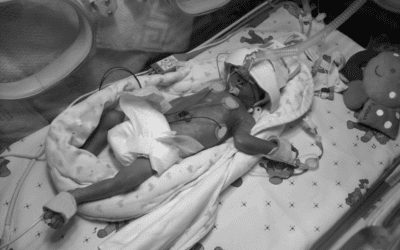
Necrotising enterocolitis (NEC) is one of the most devastating gastrointestinal emergencies in neonatal care, predominantly affecting preterm and very low‑birth‑weight infants. Its prevalence can reach 11% in VLBW infants and 22% in ELBW infants, with mortality...

read more
Dose Accuracy: When Every Millilitre Matters

Dose Accuracy: When Every Millilitre Matters

Precision Feeding and Medication Delivery in the Smallest and Sickest Patients In neonatal care, the difference between 0.1 mL and 0.2 mL is not trivial, it can be life‑changing.Neonates, especially extremely low‑birth‑weight infants (ELBW), receive both nutrition and...

read more
Feed Tolerance: How to Identify, Assess & Act Early

Feed Tolerance: How to Identify, Assess & Act Early

Distinguishing Normal Immaturity from Early Warning Signs Feed tolerance assessment is one of the most critical daily responsibilities in neonatal care. Preterm infants have immature gastrointestinal systems, making it challenging to distinguish normal adaptation from...

read more
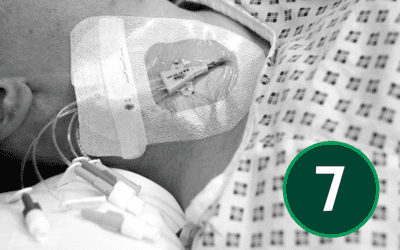
Considerations for Midline Selection

Considerations for Midline Selection

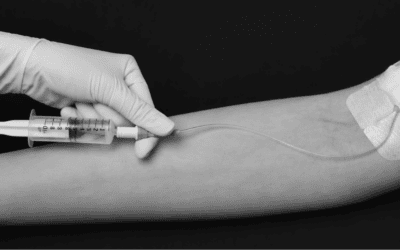
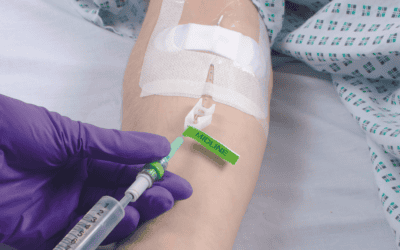
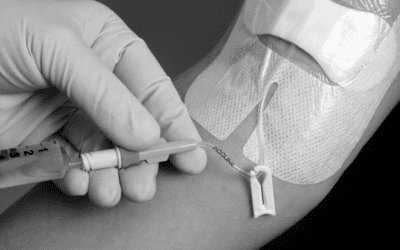
Midline catheters are designed to provide stable, medium‑term intravenous therapy, typically when treatment is expected to exceed the limits of short peripheral cannulas (3-4 days), where the treatment does not require central venous access. Accurate device selection...

read more
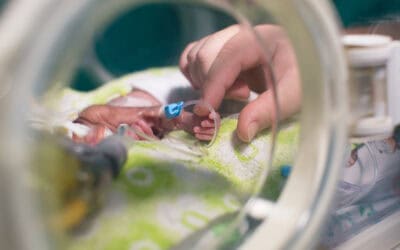
Are You LISA Ready?

Are You LISA Ready?

Helping Neonatal Teams Assess Their Preparedness for Less Invasive Surfactant Administration Less Invasive Surfactant Administration, known as LISA, is becoming an increasingly important technique in supporting preterm infants with respiratory distress syndrome. It...

read more
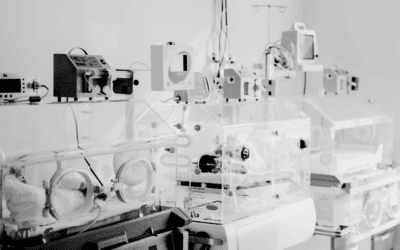
Best Practices for Arterial Line Placement

Best Practices for Arterial Line Placement

Behind every successful arterial line insertion lies a solid understanding of anatomy and site selection. This is critical to patient safety, procedural success, and long-term outcomes. Long before the needle touches the skin, it is important to carry out a thorough...

read more
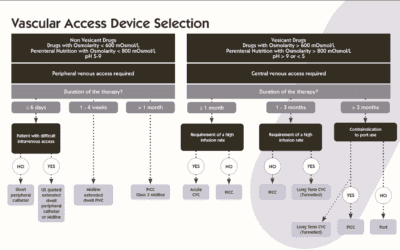
Keys to Central Venous Line (CVC) Maintenance

Keys to Central Venous Line (CVC) Maintenance

One in ten children with a central venous catheter (CVC) develops a device-associated bloodstream infection. 2 Want to know how to prevent bacteremia and central venous catheter-related infection? Dr. Paco Escribà, anaesthesiologist FEA Anaesthesiology for children,...

read more

Introducing the TCVC Patient Guide

Introducing the TCVC Patient Guide

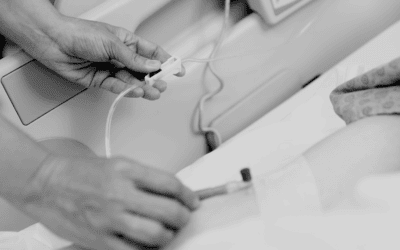
Overview Healthcare providers play a crucial role in ensuring that patients receive the best care possible, especially when managing complex medical devices like Tunnelled Central Venous Catheters (TCVCs). To support this effort, we are excited to introduce...
read more
What are the advantages of PICC-port?

What are the advantages of PICC-port?

PICC-port is an implanted catheter that is undoubtedly gaining ground in the world of vascular access. Its growing success is not surprising: it comes with new indications, cost reduction and patient satisfaction. Even if PICC-port has been in use for several decades,...

read more