
We believe that knowledge is the cornerstone of effective healthcare. Our platform is dedicated to empowering healthcare professionals with the latest insights and techniques in various medical fields. We understand the importance of staying updated in a rapidly evolving landscape, which is why we provide a wealth of resources including webinars, articles, and interactive tools. Join us in our mission to elevate patient care through education and collaboration. Together, we can make a difference in the lives of patients around the world.

Educational videos

For you & your hospital

Vygon Asks
Educational Videos
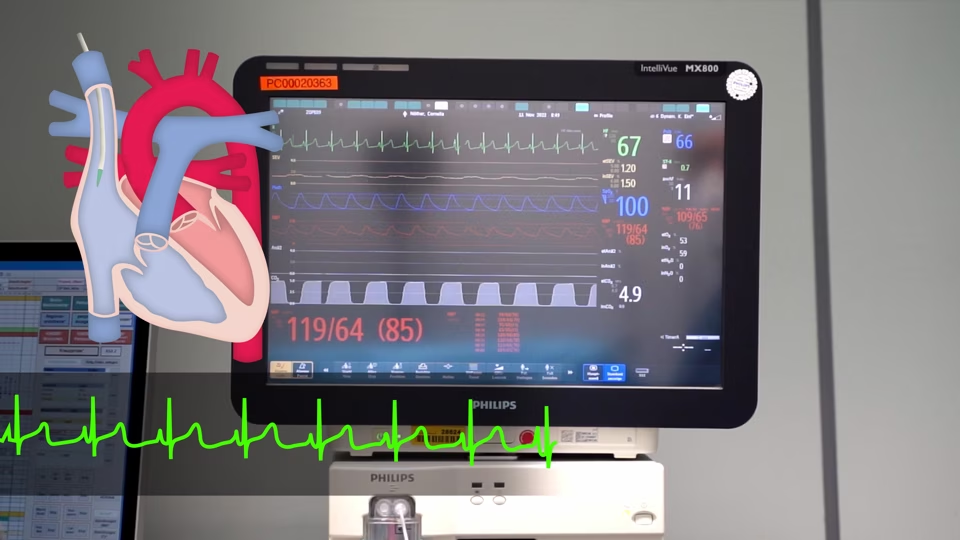
ECG & Tip location
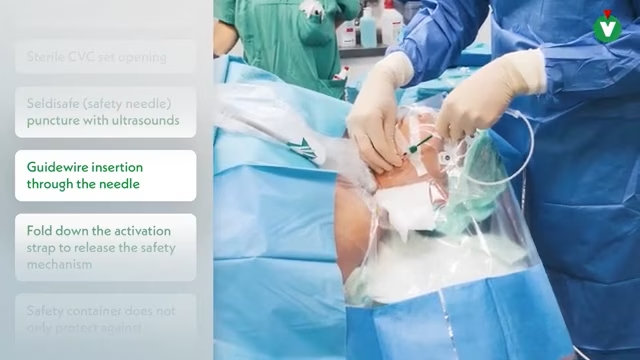
Multicath Up insertion

Paediatric multicath placement
For you and your hospital
At Vygon, we are committed to supporting healthcare professionals with practical, reliable, and easy-to-use educational tools designed to enhance everyday clinical practice. Our daily objective is to simplify your workflow and help you to adopt best practices with confidence. So let’s explore our tools, share them with your teams , and rely on us to support you in ensuring high-quality centrally inserted central catheter management in your hospital.
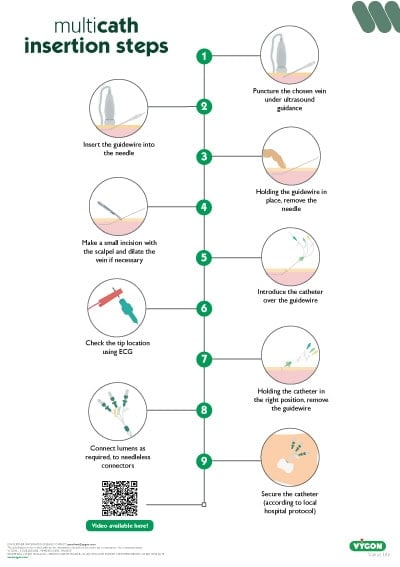
Vygon Asks
With Vygon Asks, learn directly from your peers through insightful interviews that reveal tips, drawn directly from their experience, to support and inspire your daily clinical practice.
To learn more about
Article 1: Understanding CVCs: Roles, Anatomy, and Device Selection
Vascular access is the most common procedure that patients in tertiary care undergo and, with recent improvements and advances in technology, the choices of devices and insertion techniques have evolved. It is therefore important that education and training is...
Article 2: Preparing for CVC Insertion – Patient Assessment, Consent, and Pain Management
Understanding the patient’s condition before inserting a medical device is a vital step in ensuring safe and effective care. This involves a thorough assessment to determine suitability and identify any potential risks. Equally important is recognising the factors...
Article 3: Infection Prevention and Aseptic Techniques
Infections related to central venous catheters remain a significant cause of healthcare-associated bacteraemia and septicaemia[1]. Infections from central venous catheters can come with a significant risk of morbidity and mortality. It is important therefore to...
Article 4: Foundations of Ultrasound Physics and Applications
The safe and effective insertion of a central venous catheter (CVC) requires a solid understanding of both the theoretical and practical aspects of the procedure. This includes a foundational knowledge of ultrasound physics and the ability to apply ultrasound guidance...
Article 5: Central Venous Lines – Insertion Techniques and Pain Management
Insertion of central venous lines is becoming more commonly undertaken by specialist nurse-led units[1],[2]. To reduce complications, it is imperative these are only placed by experienced, trained and competent operators[3], [4]. Most guidelines now advise that, in...
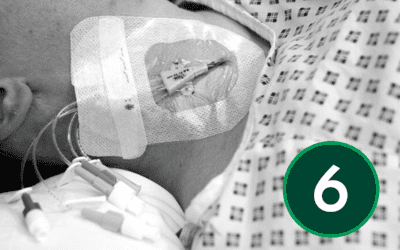
Article 6: Navigating Complications in Central Venous Access
Central venous catheter (CVC) insertion carries a risk of complications which clinicians must be prepared to manage. This article outlines common complications, their causes, methods of prevention, and appropriate clinical responses to ensure safe and effective...
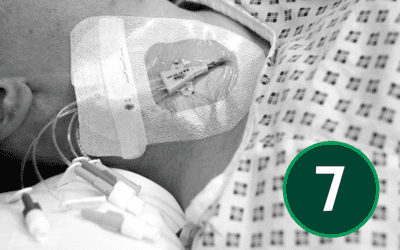
Article 7: Post-Insertion Care, Maintenance and Safe Removal
Following device insertion, it is critical that the device is managed correctly to prevent post insertion complications. According to Loveday et al (2014)[1] and Moreau et al. (2013)[2] Healthcare workers caring for patients with intravascular catheters should be...

Which arterial line for the best signal quality?
Discover how the choice of the arterial catheter can influence waveform accuracy, clinical decision‑making, and patient outcomes. Our expert will walk you through key insights, and practical implications for choosing the most reliable solution in critical care settings. Don’t miss this opportunity to enhance your understanding of arterial waveform optimization and evidence‑based device selection.