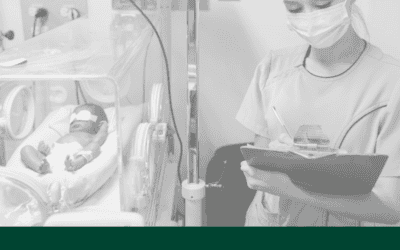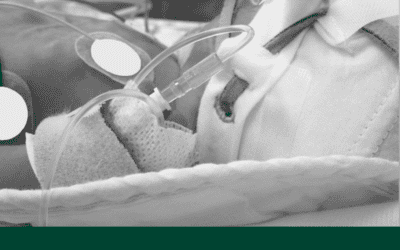

In our previous article on Longline Catheter Insertion Using the Modified Seldinger Technique (MST): Clinical and Economical Advantages, we explored how the use of MST optimises placement and reduces procedural complications. Now that the longline catheter is successfully in situ, the focus shifts to the next critical phase, ongoing care and maintenance.
Proper management of longline catheters in neonatal and paediatric care is essential to safeguard the tiniest of patients. Neglecting best practice can lead to serious complications, including catheter-related bloodstream infections, occlusion, and accidental dislodgement, each carrying significant clinical and economic consequences.
This article examines evidence-based strategies for longline care, drawing on the recommendations from both the British Association of Perinatal Medicine (BAPM) Framework for Practice1 and National Association of Neonatal Nurses (NANN) Guidelines2. By prioritising meticulous maintenance, we can ensure that the benefits achieved during insertion are sustained throughout the catheter’s use.
Daily Care Essentials
Site inspection
Inspect the insertion site at least once per shift for signs of redness, swelling or leakage. Early detection of these changes is vital to prevent infection and other complications, as recommended by BAPM.1
Dressing changes
Use transparent dressings to allow continuous visual inspection of the site. Dressings should be changed every seven days, or sooner, if:
- The dressing becomes loose or is lifting,
- The longline insertion site or the longline hub is exposed,
- the longline position may be compromised,
- the skin is visibly dirty or oozing fluids which affect dressing integrity, or
- there are signs of infection.3
Line flushing
Flush the line using strict aseptic technique and the correct syringe size and flush volumes to maintain patency and reduce the risk of occlusion. Follow NANN guidelines for recommended solutions and procedures2.
Securement
Ensure the catheter is well secured without tension on the line. Proper securement reduces the risk of accidental dislodgement and is a key element of NICU catheter care.
Infection Prevention
Every interaction with a longline catheter must begin with thorough hand hygiene and the use of aseptic technique. This is a fundamental requirement supported by both BAPM and NANN best practice standards.1,2 Sterile caps and connectors should be used consistently, and chlorhexidine-based skin antisepsis is recommended to minimise microbial contamination at the insertion site3. Evidence shows that implementing standardised care bundles can reduce the incidence of central line-associated bloodstream infections (CLABSI) by up to 70%, highlighting the importance of a structured approach to catheter care.4
Monitoring and Troubleshooting
Continuous monitoring of longline catheters is essential to identify complications early and prevent harm. Common complications include occlusion, extravasation and infection, all of which can compromise therapy and patient safety. Clinical signs may include resistance during flushing, swelling or leakage at the insertion site, and systemic indicators such as fever or irritability2. When any of these signs are detected, immediate action is required. The Thames Valley & Wessex Neonatal ODN recommends stopping infusions, assessing catheter position and escalating promptly to the medical team. Following these protocols ensures timely intervention and reduces the risk of serious outcomes.3
Documentation and Protocol Compliance
Accurate documentation is a vital part of longline catheter care. Every intervention, observation and maintenance activity should be recorded promptly and clearly in the patient’s notes. This ensures continuity of care and provides an auditable record for clinical governance. Compliance with national guidelines, such as those from BAPM1 and NANN2, is essential to maintain safety and standardise practice across neonatal units. Adhering to these protocols not only reduces the risk of complications but also supports quality improvement initiatives and benchmarking within the NHS.1,2
Education and Training
Competent handling of longline catheters requires continuous education and validation of staff skills. Regular competency assessments ensure that nurses and clinicians follow best practice for insertion, maintenance and troubleshooting, as recommended by NANN guidelines.2 In addition to staff training, parent and carer education is essential when longlines are managed at home. The BAPM framework emphasises clear communication and practical instruction for families, covering topics such as line protection, signs of complications and when to seek urgent help.1 Providing structured education for both professionals and caregivers supports safety and reduces the risk of adverse events.
Conclusion
Consistent, evidence-based care of longline catheters is essential for improving outcomes and reducing complications in neonatal and paediatric patients. By following structured protocols for insertion, maintenance and monitoring, clinicians can significantly lower the risk of infection, occlusion and dislodgement. These practices are supported by international best practice guidelines, including those from the British Association of Perinatal Medicine and the National Association of Neonatal Nurses, which emphasise the importance of standardisation and vigilance. Adhering to these recommendations ensures safer care, optimises catheter performance and ultimately enhances patient wellbeing.
References
- British Association of Perinatal Medicine. Use of central venous catheters in neonates – a framework for practice. Revised August 2018. Available from: https://www.bapm.org/resources/10-use-of-central-venous-catheters-in-neonates-revised-2018
- NANN. Peripherally Inserted Central Catheters: Guideline for Practice, 4th Edition, 2022
- Thames Valley & Wessex Neonatal Operational Delivery Network. Nursing care of neonatal central lines. December 2019. Available from: https://www.piernetwork.org/uploads/4/7/8/1/47810883/cvl_guideline-_dec_2019_final.pdf
- Poggi C, Fontanelli G, Ciarcià M, et al. A quality improvement bundle to reduce central line‑associated bloodstream infections in neonatal intensive care unit: an observational study. Antibiotics (Basel). 2025;14(12):1208. Available from: https://doi.org/10.3390/antibiotics14121208