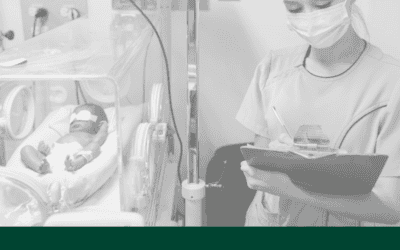

Safe removal of a longline catheter is a critical step in neonatal care. Improper technique can lead to serious complications, including air embolism, bleeding, infection and, in rare cases, catheter embolus. Neonates are particularly vulnerable due to their small blood volume and fragile physiology, making strict adherence to protocols essential. This guidance is supported by the British Association of Perinatal Medicine (BAPM) Framework for Practice1, National Association of Neonatal Nurses2, and UK neonatal network recommendations3, which emphasise preparation, aseptic technique and vigilance throughout the process.
Indications for Removal
Longlines should be removed when therapy is complete or alternative vascular access has been established. Other indications for removal include signs of infection, catheter-related complications, malfunction or physical damage to the line. UK guidance, including the NICE guidelines4 and Thames Valley & Wessex Neonatal ODN protocols, provides clear criteria for removal to ensure patient safety.5
Preparation
Before removal, confirm the clinical indication for removal and obtain parental consent in line with BAPM recommendations1. Gather sterile equipment and maintain aseptic non-touch technique (ANTT) principles. Position the infant supine or in a slight Trendelenburg position to reduce the risk of air embolism.6
Removal Procedure
Perform hand hygiene and wear appropriate PPE, according to your local guidelines. Remove the dressing and any securement using aseptic technique, ensuring the infant remains warm and stable throughout. Withdraw the catheter slowly and steadily, never pulling against resistance to avoid catheter fracture. Apply firm pressure to the site until haemostasis is achieved, then cover with an air-occlusive dressing for at least 24 hours. Inspect the catheter tip for completeness and send for culture if infection is suspected.7
Infection Prevention
Strict aseptic technique during removal is essential. Although evidence shows there is a risk of post-removal bloodstream infection, routine prophylactic antibiotics are not recommended. Instead, monitor the site closely for 24-48 hours and document any signs of infection promptly.8
Troubleshooting
If resistance is encountered during withdrawal, stop immediately and seek senior review to prevent catheter embolus. For damaged or fractured catheters, escalate according to local safety alerts, including BAPM recommendations.1
Documentation
Record the date and time of removal, reason for removal, catheter length, tip integrity and site condition. Compliance should be audited in line with the National Neonatal Audit Programme to support quality improvement.9
Conclusion
Safe removal of longlines requires thorough preparation, meticulous aseptic technique and continuous vigilance. Following UK and European best practice guidelines reduces complications and improves neonatal outcomes, ensuring that this final stage of catheter management is as safe as insertion and maintenance.
References
- British Association of Perinatal Medicine. Use of central venous catheters in neonates – a framework for practice. Revised August 2018. Available from: https://www.bapm.org/resources/10-use-of-central-venous-catheters-in-neonates-revised-2018
- NANN. Peripherally Inserted Central Catheters: Guideline for Practice, 4th Edition, 2022
- Thames Valley & Wessex Neonatal Operational Delivery Network. Care of central lines – CVL guideline. Available from: https://neonatalnetworkssoutheast.nhs.uk/professionals/guidelines/tvw-guidelines/care-of-central-lines-cvl/ (Accessed 15 December 2025).
- National Institute for Health and Care Excellence (NICE). SecurAcath for securing percutaneous catheters. Medical technologies guidance [MTG34]. Published 2017 Jun 5. Updated 2022 Aug 10. Available from: https://www.nice.org.uk/guidance/mtg34
- Thames Valley & Wessex Neonatal Operational Delivery Network. Care of central lines (CVL) guideline. Version 2. Ratified December 2024. Available from: https://neonatalnetworkssoutheast.nhs.uk/wp-content/uploads/2025/01/TVW-CVL-Guideline-V2-Ratified-Dec-2024.pdf
- London Health Sciences Centre. Procedure: removal of central venous catheters (jugular, subclavian and femoral). Available from: https://www.lhsc.on.ca/critical-care-trauma-centre/procedure-removal-of-central-venous-catheters-jugular-subclavian-and (Accessed 15 December 2025).
- James Cook University Hospital. Central line removal policy. Available from: https://www.ctsnet.org/sites/default/files/images/central%20line%20removal%20policy%20JCUH.pdf (Accessed 15 December 2025).
- Hoang V, et al. Risk of infection after central line removal in neonates: a systematic review. Front Pediatr. 2023;11:1324242. Available from: https://www.frontiersin.org/journals/pediatrics/articles/10.3389/fped.2023.1324242/full
- East of England Neonatal Operational Delivery Network. Peripherally inserted central venous catheter (PCVC) guideline. Final version. June 2024. Available from: https://eoeneonatalpccsicnetwork.nhs.uk/wp-content/uploads/2024/06/PCVC-Guideline-2025-Final.pdf