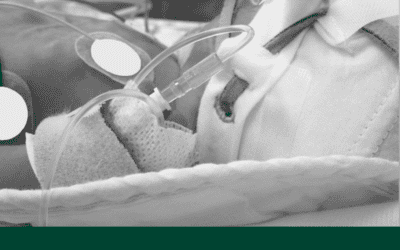
Longline catheters are commonplace in neonatal and paediatric care, providing reliable access for delivering parenteral nutrition, medications, and fluids over extended periods. Traditionally, these catheters are inserted using direct introducer or peelable cannula...
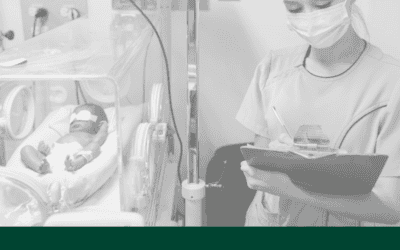
Life of a Neonatal Longline Catheter
“Life of a Neonatal Longline Catheter” is a comprehensive, four-part series designed for clinicians which explores every stage of longline catheter management in neonatal care. From insertion and maintenance to safe removal and sustainability, the series provides practical, evidence-based guidance to support best practice and improve outcomes for the tiniest of patients. The series equips clinicians with the knowledge and confidence to manage longline catheters effectively and responsibly throughout their use in critical care settings.
Article 2: Best Practice for Caring for a Longline Catheter: Maintaining Safety and Reducing Complications
In our previous article on Longline Catheter Insertion Using the Modified Seldinger Technique (MST): Clinical and Economical Advantages, we explored how the use of MST optimises placement and reduces procedural complications. Now that the longline catheter is...
Article 3: Safe Removal of a Longline Catheter in Neonates: Best Practice and Evidence-Based Guidance
Safe removal of a longline catheter is a critical step in neonatal care. Improper technique can lead to serious complications, including air embolism, bleeding, infection and, in rare cases, catheter embolus. Neonates are particularly vulnerable due to their small...
Article 4: Sustainability in Neonatal Vascular Access: Can Longline Catheters Support Greener Healthcare?
Sustainability is becoming a critical priority in healthcare, driven by ambitious targets such as the NHS commitment to achieve Net Zero by 2040 and the EU Green Deal objectives. Medical devices contribute significantly to the healthcare sector’s carbon footprint,...