A comparison of the INSURE and LISA/MIST surfactant administration techniques


Understanding the key differences between INSURE and LISA/MIST is essential for neonatal teams seeking safer and more effective surfactant administration strategies. This infographic offers a concise, side‑by‑side comparison of both methods, highlighting their clinical advantages and limitations—from procedural simplicity and airway control to non‑invasive ventilation and improved surfactant distribution. If you want a quick, visual overview that helps guide clinical decision‑making, downloading this infographic will give you the clarity and insights you need at a glance.
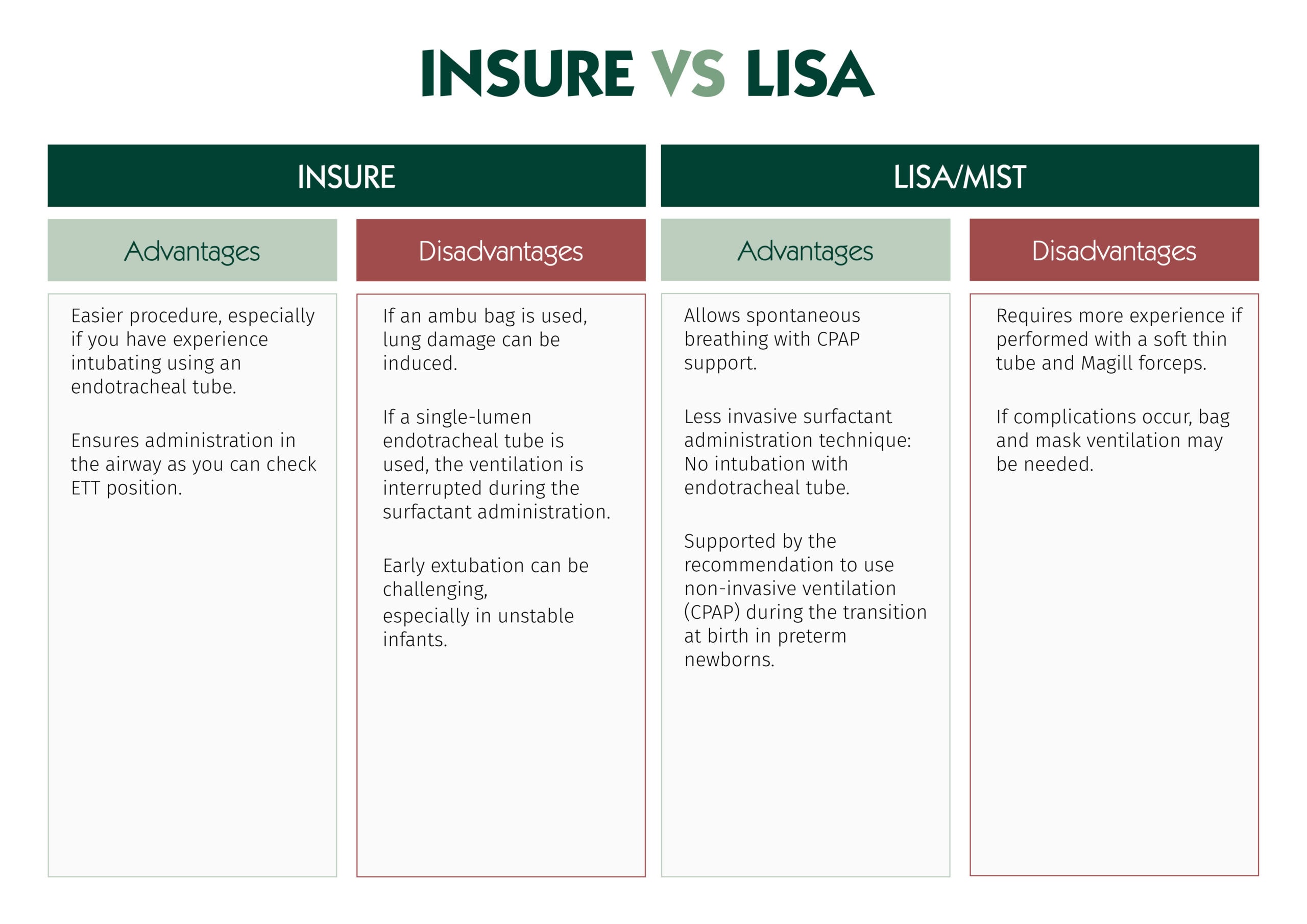


infographic comparing INSURE vs LISA/MIST surfactant administration techniques in neonatal care. The image presents two columns: INSURE and LISA/MIST, each listing advantages and disadvantages. INSURE advantages include easier procedure and confirmed airway placement, while disadvantages mention lung damage from ambu‑bag insufflation, poor surfactant distribution, need for sedation, and difficulty with early extubation. LISA/MIST advantages highlight non‑invasive ventilation, better surfactant distribution during spontaneous breathing with CPAP, no intubation or sedation, and alignment with recommendations. LISA/MIST disadvantages note the need for more experience and possible requirement for bag‑mask ventilation in complications.
Retrograde Tunneling of a Proximal-Cut PICC

Retrograde Tunneling of a Proximal-Cut PICC

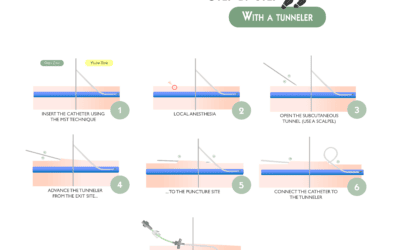
This infographic illustrates the step‑by‑step process of retrograde tunneling for a proximal‑cut PICC, showing how a subcutaneous tunnel is created with a tunneler to reposition the catheter exit site away from the venous puncture for improved stabilization and...

read more
Proximal-Cut PICC Catheter Insertion

Proximal-Cut PICC Catheter Insertion

This infographic provides a step‑by‑step visual guide to Proximal‑Cut PICC catheter insertion. It illustrates the full workflow from ultrasound‑guided venous access and guidewire introduction to catheter advancement, tip position confirmation using ECG‑IC, proximal...

read more
Share This