
What the Evidence Tells Us About Risk, Reality and Current Practice
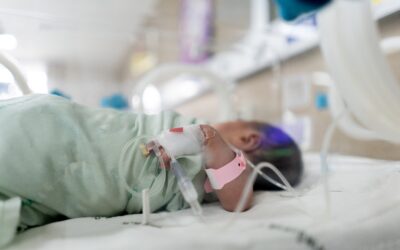
Enteral feeding tubes are a mainstay of neonatal intensive care, particularly for very preterm and critically unwell infants who may rely on tube feeding for weeks or months. While these devices are essential for growth and nutrition, mounting evidence suggests they may also act as reservoirs for microbial contamination. Questions therefore arise around cleaning practices, connector design and the extent to which current approaches meaningfully reduce risk.
This article is based on Dr Keliana O’Mara’s presentation at VYNEODAYS 2024 and explores current evidence on enteral tube contamination in the NICU, the effectiveness of existing cleaning recommendations, and the implications for clinical practice.
Prefer to watch it?
The Vulnerable Neonatal Gut
Early life gut colonisation plays a critical role in immune and gastrointestinal development. In preterm infants, this process is shaped by multiple factors including gestational age, mode of delivery, diet, medication exposure and the NICU environment itself¹.
Compared with term infants, hospitalised preterm neonates are more likely to become colonised with pathogenic organisms typically associated with healthcare‑acquired infection, including Gram‑negative bacteria and antibiotic‑resistant strains¹,². Immature gut motility reduced gastric acidity and underdeveloped immune defences further increase susceptibility to bacterial overgrowth and translocation.
In this context, any additional microbial burden introduced through medical devices warrants careful consideration.
Enteral Feeding Tubes as a Source of Contamination
Neonatal enteral feeding tubes are continuously exposed to human milk, donor milk or formula, often at frequent intervals or via continuous feeding. Both laboratory and clinical studies consistently demonstrate high rates of bacterial colonisation of feeding tubes, with biofilm formation occurring rapidly, often within 24 hours of insertion¹,³.
Importantly, pathogenic organisms commonly implicated in neonatal sepsis and necrotising enterocolitis (NEC) have been identified within these biofilms, and resistance genes are frequently present¹.
Potential routes of contamination include:
- External introduction from milk preparation, handling and connector interfaces
- Ascending bacteria from the gastrointestinal tract
- Residual milk or medication trapped within connector hubs or junctions
Once established, biofilm is extremely difficult to remove and serves as a persistent bacterial reservoir.
Clinical Consequences of Tube Colonisation
While a direct causal relationship between tube colonisation and infection is difficult to prove, several studies raise concern regarding potential downstream effects.
In one frequently cited study, infants fed formula through contaminated tubes experienced significantly higher rates of feeding intolerance and poorer weight gain compared with those fed via uncontaminated tubes⁴. More strikingly, a subset of infants with heavily contaminated tubes developed NEC, with bacterial isolates from peritoneal fluid matching those cultured from the feeding tubes⁴.
Associations have also been observed between tube colonisation and late‑onset sepsis, where blood culture organisms match those found on enteral tubing, suggesting a plausible link even if definitive causality remains unproven¹,².
Does Cleaning Enteral Connectors Solve the Problem?
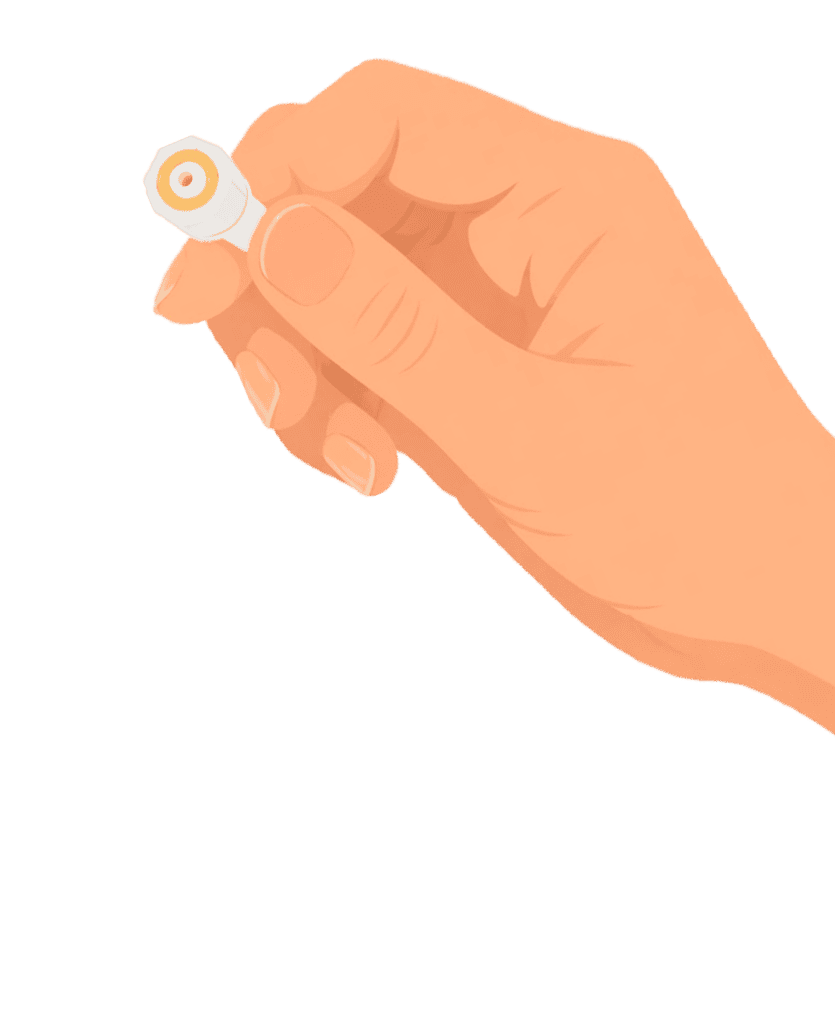
International standards currently recommend routine cleaning of certain enteral connector interfaces, particularly where internal grooves or threads may trap residue. However, evidence supporting the effectiveness of these practices is limited.
Removal of Visible Residue
A study comparing “diligent” versus abbreviated cleaning protocols found that neither reliably removed visible or invisible residue from connector junctions, even when numerous steps were followed⁵. Notably, healthcare professionals consistently overestimated how clean the connectors were when compared with independent blinded assessments.
This discrepancy highlights the limitations of visual inspection alone.
Impact on Bacterial Growth
More recent experimental work assessing bacterial growth over time showed that daily cleaning—using water alone or with various tools—did not reduce bacterial colony counts when compared with no cleaning at all³. By day seven, bacterial levels exceeded accepted thresholds for contamination regardless of method and remained similar across all groups at 28 days.
These findings suggest that once biofilm is established, routine cleaning of connector junctions does little to alter microbial burden.
The Role of Connector Design
Connector and hub design appears to influence the degree to which residue accumulates, potentially affecting bacterial growth. Interfaces with complex internal structures are more likely to retain milk and medication debris, while smoother internal geometries may reduce residue formation.
However, robust clinical data evaluating how connector design translates to infection risk or patient outcomes in neonates are still lacking. Current evidence supports consideration of design features as part of an overall risk‑minimisation strategy, rather than as a standalone solution.
What Do Current Recommendations Say?
At present, governing bodies offer limited neonatal‑specific guidance on managing enteral tube contamination risk:
- Routine flushing between feeds is often recommended in older populations but may not be appropriate for very preterm infants due to fluid and electrolyte considerations.
- Connector cleaning is advised, yet no evidence‑based protocol reliably reduces bacterial colonisation.
- There is little guidance linking connector residue or design directly to clinical outcomes.
As a result, infection prevention strategies must focus on broader systems of care rather than reliance on cleaning alone.
Practical Implications for NICU Teams
Given that microbial contamination of enteral feeding systems appears largely unavoidable, the emphasis shifts from eradication to risk minimisation. Key considerations include:
- Strict hand hygiene during handling and connection of enteral systems, which has been shown to reduce external contamination in other care settings
- Robust milk and medication preparation practices, including aseptic technique and controlled preparation environments
- Awareness of enteral tubes as potential contributors when evaluating recurrent feeding intolerance, poor growth or unexplained sepsis
- Multidisciplinary involvement, particularly pharmacists and educators, in reviewing preparation, administration and handling processes
- Critical appraisal of device design as part of wider procurement and clinical governance discussions, alongside emerging evidence
Conclusion
Enteral feeding tubes are indispensable in neonatal care, yet they represent a complex and under‑recognised source of microbial exposure. Current evidence suggests that routine cleaning of connector junctions does not reliably reduce bacterial contamination, largely due to rapid biofilm formation.
Until stronger neonatal‑specific data and clearer guidance become available, NICU teams should focus on infection prevention fundamentals, careful handling and preparation practices, and informed consideration of enteral system design—always balancing risk reduction with the unique physiological vulnerabilities of the preterm infant.
References (Vancouver style)
- Gomez M, et al. Early gut colonization of preterm infants: effect of enteral feeding tubes. J Pediatr Gastroenterol Nutr. 2016;62(6):893–900.
- Parker LA, et al. Neonatal feeding tube colonization and the potential effect on infant health: a review. Front Nutr. 2022;9:899118.
- Koya H, et al. Comparison of methods for cleaning enteral feeding tube junctions of the new international standards (ISO 80369‑3). Ann Nutr Metab. 2022;78(4):207–212.
- Mehall JR, et al. Role of bacterial overgrowth in necrotizing enterocolitis. J Pediatr Surg. 2002;37(6):832–835.
- Lyman B, et al. Cleaning practices for enteral feeding connectors: effectiveness and perception. Medsurg Nurs. 2020;29(5):317–323.

A place to learn about health procedures and techniques from leading professionals.