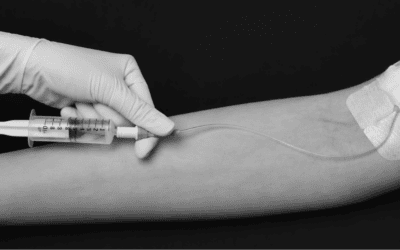

For many patients, a peripherally inserted central catheter (PICC) is an essential part of receiving treatment beyond the hospital setting. Whether supporting long-term intravenous antibiotics, chemotherapy, parenteral nutrition, or other therapies, PICCs enable patients to continue treatment while remaining at home and maintaining aspects of their normal routine. Research has shown that home-based treatment can improve quality of life and help patients stay connected with family and support networks.¹,²
While clinical outcomes remain a priority, understanding the patient experience is equally important. The transition from hospital to home can bring a mix of confidence and uncertainty, meaning education, support, and practical management play a vital role in successful vascular access care. Patients living with a PICC frequently report a need for ongoing information, reassurance, and support as they adapt to managing their device independently.¹,³
The Reality of Living with a PICC
A PICC provides reliable vascular access for weeks or months, reducing the need for repeated peripheral cannulation and supporting the delivery of longer-term therapies. However, living with a PICC often requires patients to adjust daily routines and develop new habits to care for their device safely.³,⁴
Common considerations include:
- Keeping the PICC dressing clean, dry, and secure
- Understanding the signs and symptoms of potential complications
- Managing everyday activities such as bathing, exercising, and sleeping
- Attending scheduled maintenance and review appointments
- Feeling confident in caring for the device between healthcare visits
Research exploring the experiences of adults living with PICCs has found that practical challenges often extend beyond clinical care, with patients reporting difficulties adapting normal activities and incorporating line care into everyday life. Emotional wellbeing can also be affected, particularly during the early stages following discharge.¹,⁴
What Patients Tell Us Matters Most
Clear Education
Patients consistently value straightforward, consistent information about their PICC, including how it functions, how to care for it, and when to seek medical advice. Studies have identified education as one of the most important factors influencing patient confidence and self-management, particularly after discharge into the community setting.¹,²
Confidence and Independence
One of the most frequently cited benefits of PICC use is the ability to continue treatment at home. Patients often appreciate the freedom, flexibility, and independence that home-based care can provide. Evidence suggests that effective home education programmes can improve self-management skills, self-efficacy, and overall quality of life.²,⁴
Device Security and Comfort
Concerns about accidental dislodgement, dressing integrity, and protecting the catheter during daily activities are common. Patients want reassurance that their device is secure and functioning correctly. Appropriate securement, routine assessment, and evidence-based maintenance practices can help reduce complications and support a more positive patient experience.³,⁵
Access to Support
Knowing who to contact when questions or concerns arise provides significant reassurance. Patients frequently report greater confidence when healthcare teams provide clear communication channels and ongoing access to expert advice. Support from healthcare professionals, caregivers, and educational resources can help address both practical and emotional challenges associated with living with a PICC.¹,⁴
Supporting Better Patient Experiences
Healthcare professionals play a crucial role in helping patients manage their PICC successfully at home. Effective support extends well beyond insertion and includes ongoing education, regular assessment, and open communication throughout the treatment journey.³,⁴
A patient-centred approach may include:
- Practical training before discharge
- Written and digital educational resources
- Regular review of line care practices
- Encouragement of patient questions and feedback
- Consistent messaging across care settings
Evidence suggests that structured home-based education programmes can improve self-management, reduce anxiety, enhance treatment adherence, and lower the incidence of PICC-related complications.²,⁴
Looking Beyond the Device
A PICC is more than simply a vascular access device. For many patients, it becomes part of everyday life, influencing routines, confidence, wellbeing, and independence throughout their treatment journey.
By understanding what matters most to patients at home, healthcare professionals can deliver care that supports both clinical outcomes and the overall patient experience. When patients feel informed, empowered, and supported, they are better equipped to participate in their care, recognise potential concerns early, and manage their treatment with confidence.¹,²
Ultimately, successful PICC management combines clinical excellence with patient empowerment, ensuring people have the knowledge, confidence, and support they need wherever treatment takes place.
References
- Sharp R, et al. Supportive Care Needs of Adults Living with a Peripherally Inserted Central Catheter in the Community Setting. BMC Nursing. 2024.
- Huang X, Shi K, Mohd Zain N, Yusuf A. Home Care-Based Education for Cancer Patients with Peripherally Inserted Central Catheters: A Systematic Review and Meta-analysis. Supportive Care in Cancer. 2025.
- NHS Borders. Protocol for Insertion, Care and Removal of Peripherally Inserted Central Catheters (PICC) in Adult Patients.
- Venter D. Nursing Care of Adults With a Peripherally Inserted Central Catheter (PICC) or Midline Catheter in the Home: Clinical Management and Health Consumer Support. Home Healthcare Now. 2025.
- Vilão A, Castro C, Fernandes JB. Nursing Interventions to Prevent Complications in Patients with Peripherally Inserted Central Catheters: A Scoping Review. Journal of Clinical Medicine. 2025.

A place to learn about health procedures and techniques from leading professionals.