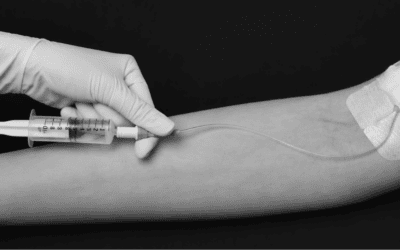

Vascular access devices are integral to modern clinical practice, supporting the safe and effective delivery of fluids, medications and nutrition across a wide range of care settings. From peripheral cannulas to central lines, these devices are often accessed and maintained by multiple clinicians throughout a patient’s treatment journey.
While significant emphasis is often placed on correct insertion, the importance of consistent care and maintenance should not be overlooked. Variations in practice can increase the risk of complications such as infection, occlusion and device failure. A clear focus on fundamental principles helps support safe, reliable use and improved patient outcomes.
Establishing the Right Device Strategy
Effective vascular access begins with appropriate device selection. Choosing a device that aligns with the type, duration and characteristics of therapy can reduce the need for repeated insertions, protect vessel health and support smoother ongoing care.
Consideration should be given to factors such as therapy duration, osmolarity and irritant potential, ensuring the device is suitable not only for initial use but for the full course of treatment.
Maintaining High Standards of Hand Hygiene
Hand hygiene remains one of the simplest yet most effective ways to reduce infection risk. It should be consistently applied before and after any interaction with a vascular access device, whether during insertion, access or routine care.
This principle extends beyond clinical environments into community and homecare settings, where patient and caregiver education plays a key role in maintaining safety.
Applying Aseptic Technique in Practice
The use of aseptic non-touch technique is central to preventing contamination. Protecting key parts and key sites during all procedures helps reduce the risk of introducing microorganisms into the bloodstream.
Consistency is critical. Whether undertaking dressing changes, accessing lines or flushing devices, applying aseptic principles supports safer and more standardised care.
Ensuring Effective Hub Disinfection
Needle-free access systems can enhance safety, but they must be supported by thorough and consistent cleaning. Disinfection of device hubs before every access is essential to minimise the risk of microbial entry.
Embedding this step into routine practice helps establish reliable habits and reinforces infection prevention measures across teams and care settings.
Supporting Secure Dressings and Regular Assessment
Dressings play an important role in both protecting and stabilising the device. They should provide a secure barrier while allowing clear visibility of the insertion site.
Regular inspection is equally important. Monitoring for signs such as redness, swelling, leakage or discomfort enables early identification of potential complications and prompt intervention where needed.
Maintaining Catheter Patency
Ensuring that devices remain patent is essential for uninterrupted therapy. Appropriate flushing techniques, supported by clear protocols, help prevent occlusions and prolong device functionality.
Consistency in practice, alongside staff training and adherence to local guidelines, supports reliable outcomes and reduces avoidable disruption to treatment.
Supporting Consistent and Safe Care
Many vascular access–related complications are preventable. By focusing on core principles and applying them consistently, healthcare teams can reduce variation in practice and improve both safety and efficiency.
Standardisation provides a framework for care without removing clinical judgement. Instead, it supports decision-making, promotes best practice and helps ensure that high standards are maintained throughout the patient journey.

A place to learn about health procedures and techniques from leading professionals.