Clinical benefits of the LISA method


Understanding the advantages of the LISA method is essential for neonatal professionals seeking evidence‑based strategies to improve respiratory outcomes in preterm infants. This infographic offers a clear, visual breakdown of both early respiratory benefits—such as lower risk of death or BPD and reduced need for intubation—and long‑term effects including improved neurodevelopment and higher survival without severe complications. If you want a quick, impactful overview of why LISA is becoming the preferred approach worldwide, this downloadable infographic will give you the key insights at a glance.
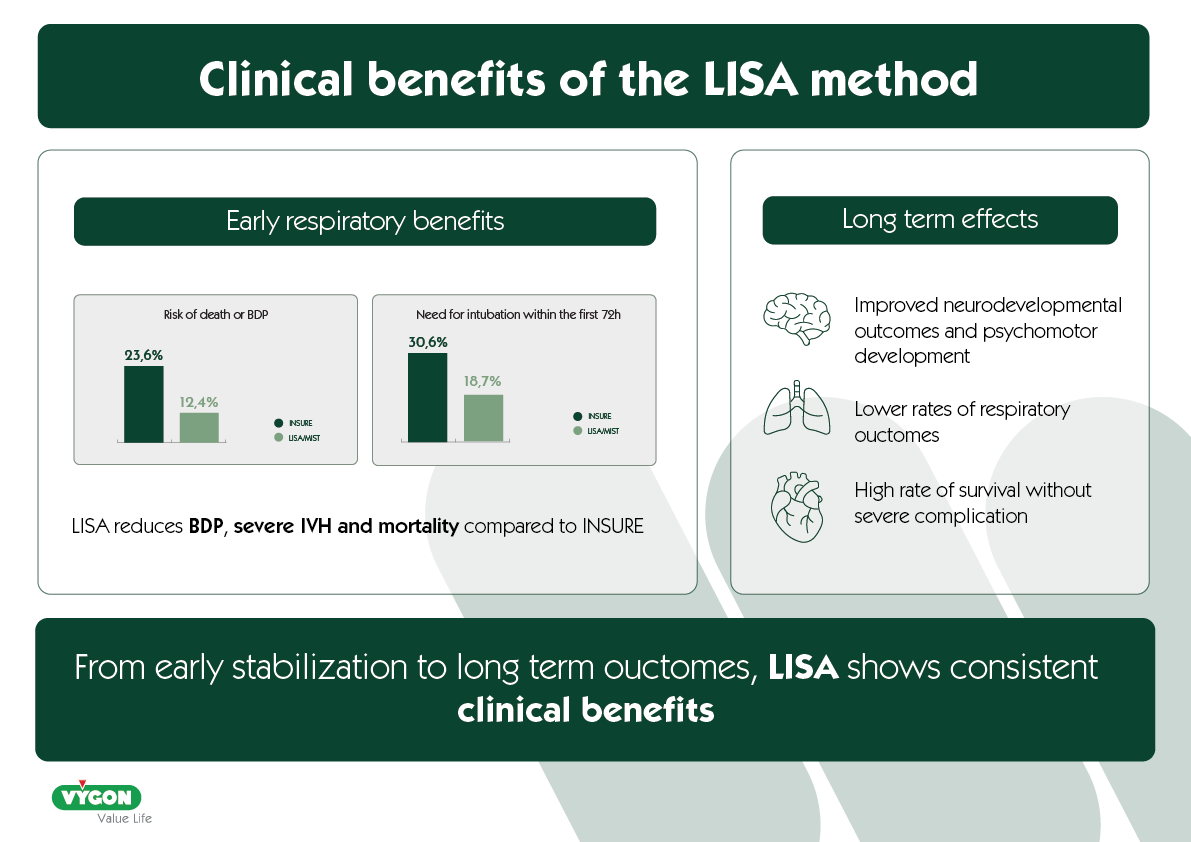


Infographic titled “Clinical benefits of the LISA method,” presenting early respiratory benefits and long‑term effects of the LISA surfactant administration technique. The left section shows early respiratory benefits with two bar charts: one comparing risk of death or BDP (23.6% with INSURE vs 12.4% with LISA) and another comparing need for intubation within the first 72 hours (30.6% with INSURE vs 18.7% with LISA). A note states that LISA reduces BDP, severe IVH and mortality compared to INSURE. The right section highlights long‑term effects, including improved neurodevelopmental and psychomotor outcomes, lower rates of respiratory outcomes, and high survival without severe complications. A footer emphasizes that from early stabilization to long‑term outcomes, LISA shows consistent clinical benefits.
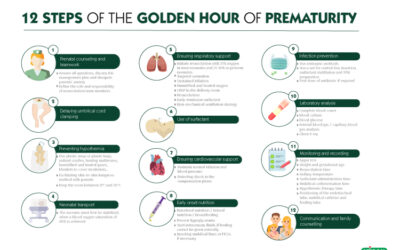
12 Steps of the Golden Hour of Prematurity

12 Steps of the Golden Hour of Prematurity

  This infographic summarizes the 12 essential steps of the Golden Hour of prematurity, outlining the key interventions required to stabilize a preterm newborn during the first 60 minutes of life. It highlights crucial actions such as prenatal counseling, delayed...

read more
Share This