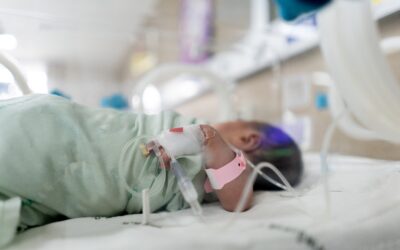

The Clinical Challenge
For babies weighing less than 1 kg, vascular access is far more than a technical procedure. Extremely low birth weight (ELBW) infants often require prolonged intravenous therapy, including parenteral nutrition, medications and critical care support. Yet the vessels available to deliver this therapy are exceptionally small, delicate and vulnerable to injury.
Every cannulation attempt matters. Repeated peripheral venepuncture can quickly exhaust viable access sites, increasing pain, stress and the risk of complications. In this population, vessel preservation must be considered from the very beginning of care. Rather than focusing solely on immediate access needs, clinicians need to think ahead, selecting the vascular access device (VAD) most likely to support the infant’s entire treatment journey while protecting future access options.
Growing evidence and international guidance support a structured approach to vascular access planning that prioritises vessel health, reduces unnecessary insertions and helps minimise catheter-related complications.¹˒²
For neonatal teams, the challenge is not simply obtaining access but selecting the most appropriate device from the outset. Peripheral cannulas, midline catheters and peripherally inserted central catheters (PICCs) each have a role within a vessel preservation strategy. The optimal choice depends on the infant’s therapy requirements, anticipated treatment duration and the need to protect limited venous capital for future care.
Evidence Spotlight
Across current guidance and consensus recommendations, a consistent theme emerges: early, evidence-based device selection can help preserve fragile vessels, reduce unnecessary procedures and support safer long-term therapy delivery in vulnerable neonates.
- The European Standards of Care for Newborn Health recommend selecting vascular access devices according to body weight, vessel availability, therapy characteristics and anticipated treatment duration, while prioritising vessel preservation and minimising painful procedures.³
- The Neonatal European Vascular Access Teams (NEVAT) position paper similarly advocates a proactive, individualised and standardised approach to vascular access, incorporating evidence-based device selection, structured assessment, appropriate use of ultrasound and ongoing surveillance.⁴
- These principles are particularly relevant for extremely low birth weight infants, where vessel size and future access options are limited. Dedicated 1 Fr catheters support this approach by enabling clinicians to better match catheter size to vessel diameter, helping to minimise vessel trauma while maintaining reliable vascular access.
Choosing the Right Device for the Right Therapy
Infants weighing less than 1 kg often require weeks of intravenous therapy. However, not all therapies require the same type of vascular access.
Current vascular access guidance recommends selecting a device according to:
- Expected duration of therapy
- Characteristics of prescribed infusates
- Availability and condition of vessels
- Risk of complications
- Future vascular access needs
- The principle of vessel preservation¹˒²
Peripheral cannulas remain appropriate for short-term therapies. However, when treatment is expected to continue for longer periods, repeated peripheral cannulation may increase the risk of vessel depletion, infiltration, extravasation and procedural pain.³
In these situations, clinicians may consider escalation to a midline catheter or a PICC depending on the therapy being delivered and the required dwell time. The overarching objective is to select the least invasive device capable of safely delivering the prescribed treatment while preserving future access options.
Applying a Vessel Preservation Approach
The concept of vessel preservation has become increasingly influential in neonatal vascular access. Rather than repeatedly selecting the easiest vein available, clinicians are encouraged to choose the device with the greatest likelihood of supporting the entire treatment course.²
For infants under 1 kg, this often means asking an important question early:
Will this baby require intravenous therapy for long enough that an alternative device could avoid repeated cannulation attempts and protect future veins?
The National Association of Neonatal Nurses (NANN) highlights the importance of early vascular access assessment and planning as part of a broader strategy to preserve vessel health across the patient’s care journey.¹
Evidence also suggests that standardised vascular access pathways can improve decision-making, reduce variation in practice and support better patient outcomes.⁵
European Guidance Supports Early Device Planning
A growing body of European guidance emphasises that vascular access decisions should be made proactively rather than reactively.
The European Standards of Care for Newborn Health recommend considering factors such as body weight, vascular access availability, infusion characteristics and anticipated treatment duration when selecting a VAD. The standards also recognise the importance of reducing painful procedures, minimising complications and ensuring care is delivered by appropriately trained clinicians.³
More recently, the Neonatal European Vascular Access Teams (NEVAT) published a position paper aimed at improving consistency in neonatal vascular access practice across Europe. The paper advocates an individualised and standardised approach to device selection, insertion and maintenance, with particular emphasis on vessel preservation, ultrasound-guided practice where appropriate, maximal aseptic precautions and structured monitoring for complications. ⁴
Importantly, both publications reinforce a common principle: selecting the right device at the earliest opportunity can help preserve limited venous capital and reduce avoidable vascular trauma in vulnerable neonates.³˒⁴
Where Do Midline Catheters Fit?
Midline catheters occupy an important position between short peripheral cannulas and central venous access devices. They may be appropriate when therapy is expected to extend beyond the lifespan of a peripheral cannula but does not require central venous access.
By providing more durable peripheral access, midlines can help reduce the frequency of repeated cannulation attempts and support vessel preservation strategies. For some neonatal patients requiring intermediate-duration therapy, this may reduce procedural burden while maintaining reliable access.¹˒³
However, infants weighing less than 1 kg frequently require therapies such as prolonged parenteral nutrition or medications that are more appropriately delivered through central access. In these circumstances, clinicians may determine that a PICC provides the most suitable balance between vessel preservation and reliable therapy delivery.
As with all vascular access decisions, device selection should be based on the individual patient’s clinical requirements rather than a preference for a particular device type.
The Role of PICCs in Extremely Low Birth Weight Infants
When prolonged intravenous therapy or central infusion therapy is anticipated, PICCs often become an important component of neonatal vascular access management.
Evidence suggests that PICCs can reduce the need for multiple venous punctures and provide reliable access for nutrition and medication administration over extended periods.⁶˒⁷
Device-to-vessel ratio is an important aspect of PICC selection. Contemporary neonatal guidance emphasises using the smallest suitable catheter capable of delivering the prescribed therapy, helping to minimise vessel trauma and support long-term vessel health.¹˒²˒⁴
This principle is reflected in the availability of dedicated small-calibre neonatal catheters designed specifically for the anatomy of the smallest infants. By better matching catheter size to vessel diameter, these devices support current vessel preservation strategies while maintaining reliable therapy delivery.
Clinical experience and published studies have demonstrated that PICCs can be successfully inserted and maintained even in infants weighing less than 1 kg when appropriate insertion techniques, experienced operators and evidence-based care pathways are employed.⁶˒⁷
Optimising Outcomes Through Standardised Practice
Successful vascular access extends beyond device selection alone. An increasing body of evidence highlights the importance of standardised insertion and maintenance practices in reducing complications.
Key recommendations include:
- Early assessment and vascular access planning
- Use of ultrasound where appropriate
- Selection of the smallest suitable catheter
- Accurate tip positioning and confirmation
- Consistent securement and dressing protocols
- Ongoing surveillance for complications
- Structured staff education and competency assessment
A large review of PICC use in extremely and very low birth weight infants reported relatively low overall complication rates when standardised practices were followed, with insertion site selection and ongoing management playing important roles in outcomes.⁷
Similarly, studies evaluating ultrasound-guided catheter placement have demonstrated high success rates in very low birth weight infants while helping preserve valuable venous access sites.⁶
Looking Beyond Purchase Price: A Value-Based Perspective
As healthcare systems increasingly focus on value-based decision-making, vascular access devices are being assessed not solely on acquisition cost but also on their contribution to patient outcomes, staff efficiency and overall pathway costs.
The Department of Health and Social Care’s Value Based Procurement National Standard Guidance for Medical Technology encourages NHS organisations to evaluate technologies against broader domains including patient outcomes, workforce experience, efficiency and supply chain resilience.⁸
Within neonatal vascular access, this approach aligns closely with vessel preservation principles. Devices and care pathways that support successful insertion, reduce replacement procedures, minimise complications and provide reliable therapy may contribute to improved clinical outcomes while reducing resource utilisation across the care pathway.⁸
Take home message: Looking Beyond the First Line
When caring for babies under 1 kg, the objective is not simply obtaining vascular access today. The goal is to provide reliable therapy while preserving fragile vessels for the days and weeks ahead.
Current neonatal evidence increasingly supports a proactive approach in which vascular access planning begins early and device selection is matched to the patient’s anticipated needs. Depending on clinical requirements, this may include peripheral cannulas, midline catheters or PICCs.
European Standards of Care for Newborn Health, the NEVAT position paper and contemporary infusion therapy guidance all reinforce the importance of evidence-based device selection, standardised practice and vessel preservation.²˒³˒⁴
For neonatal teams, the key question is not which device is best in general, but which device is best for this infant, at this point in their care journey. By matching the device to the therapy and selecting the least invasive option capable of safely delivering treatment, clinicians can help reduce complications, preserve future access options and support better outcomes for some of the smallest and most vulnerable patients in their care.

VYNEODAYS ARE BACK
VYNEODAYS26 is a two-day event designed to create a space for healthcare professionals to share knowledge and discuss the latest innovations in techniques and procedures for premature babies and children.
The event will feature face-to-face presentations and workshops given by experts from across Europe, with all sessions also streamed online. The content will cover topics such as the challenges of hypothermia in the first seconds of life, ultrasound in vascular and respiratory access and enteral nutrition.
References
- Sharpe EL, Curry S, Wyckoff MM. Peripherally Inserted Central Catheters: Guideline for Practice. 4th ed. National Association of Neonatal Nurses; 2024.
- Infusion Nurses Society. Infusion Therapy Standards of Practice. 9th ed. Journal of Infusion Nursing. 2024.
- European Foundation for the Care of Newborn Infants (EFCNI). European Standards of Care for Newborn Health: Vascular Access.
- Barone G, Piersigilli F, Pittiruti M. Vascular access in the newborn: a position paper of Neonatal European Vascular Access Teams (NEVAT). European Journal of Pediatrics. 2026;185(2):71.
- Dabu-Bondoc S, et al. Enhancing neonatal vascular access: proposing a patient-centred framework for standardisation in neonatal vascular access practice. Pediatric Research. 2025.
- Johnson KN, Thomas T, Grove J, Jarboe MD. Insertion of peripherally inserted central catheters in neonates less than 1.5 kg using ultrasound guidance. Pediatric Surgery International. 2016;32(11):1053-1056.
- Wu Y, Yan J, Tang M, et al. A review of neonatal peripherally inserted central venous catheters in extremely or very low birthweight infants based on a 3-year clinical practice: complication incidences and risk factors. Frontiers in Pediatrics. 2022;10:987512.
- Department of Health and Social Care. Value Based Procurement National Standard Guidance for Medical Technology. Published 11 June 2026.

A place to learn about health procedures and techniques from leading professionals.