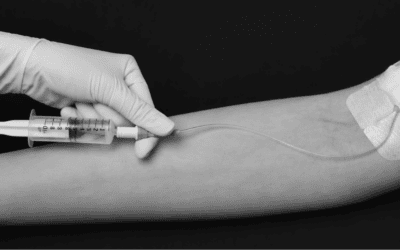

Outpatient Parenteral Antimicrobial Therapy (OPAT) has become an increasingly important component of modern healthcare delivery, enabling patients to receive intravenous antimicrobial treatment outside of the acute hospital environment. This approach can support earlier discharge, reduce hospital stays and help patients continue treatment while maintaining greater independence.
A key factor in OPAT success is selecting the most appropriate vascular access device. For many patients, that decision comes down to two commonly used options: a Peripherally Inserted Central Catheter (PICC) or a Midline catheter.
Both devices offer reliable vascular access, but understanding their differences and clinical applications is essential when determining the most suitable option for each patient.
Understanding the Difference
Although PICCs and Midlines are both inserted into peripheral veins of the upper arm, they differ in where the catheter tip terminates and the clinical applications they support.
A PICC is categorised as a central venous access device. The catheter tip is advanced into the central circulation, typically terminating within the lower superior vena cava.
A Midline catheter remains within the peripheral venous system, with the catheter tip terminating before reaching the central circulation.
The choice between these devices should always be guided by clinical assessment and treatment requirements rather than convenience alone.
Therapy Duration Matters
One of the first factors considered when selecting vascular access for OPAT is the anticipated duration of treatment.
Shorter treatment courses may be suitable for a Midline catheter where the prescribed therapy is appropriate for peripheral administration.
Where longer-term access is required, or where ongoing treatment needs are anticipated, a PICC may be considered.
While duration is an important consideration, it should not be the sole deciding factor. Device selection works best when it forms part of a comprehensive vascular access assessment.
Considering the Prescribed Therapy
Medication characteristics play a significant role in device selection.
Before selecting a vascular access device, clinicians should consider factors such as:
- pH
- Osmolarity
- Irritant or vesicant properties
- Infusion frequency
- Manufacturer guidance
- Local policies and protocols
Some therapies may be more suitable for central administration, while others can be delivered effectively through peripheral access. Ensuring compatibility between the therapy and the device helps support safe treatment delivery throughout the OPAT pathway.
The Importance of Patient Assessment
Successful vascular access decisions involve more than simply matching a device to a medication.
A patient-centred assessment should consider:
- Vessel health and anatomy
- Previous vascular access history
- Existing co-morbidities
- Risk factors for complications
- Lifestyle considerations
- Patient preferences
- Expected treatment journey
By evaluating these factors early, healthcare teams can help identify the device most likely to support treatment success while maintaining patient comfort and preserving future vascular access options.
Supporting Positive OPAT Outcomes
Effective vascular access selection can contribute to a range of positive outcomes for both patients and healthcare teams.
Appropriate device selection may help support:
- Reliable treatment delivery
- Reduced need for repeated cannulation
- Preservation of vessel health
- Improved patient experience
- Continuity of care throughout treatment
This highlights the value of a multidisciplinary approach involving OPAT teams, vascular access specialists, pharmacists and nursing staff when making device decisions.
Choosing the Right Device
The discussion should not focus on whether a PICC is better than a Midline, or vice versa.
Instead, the goal is to determine which device is most appropriate for the patient’s therapy, vascular access needs and overall treatment pathway.
By taking a structured, patient-centred approach to device selection, clinicians can support safe and effective OPAT delivery while helping patients receive the right treatment through the right device at the right time.

A place to learn about health procedures and techniques from leading professionals.