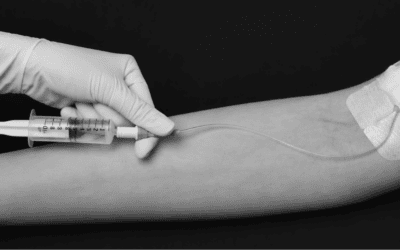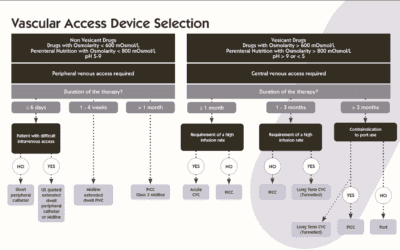
Vascular access devices (VADs) are a cornerstone of modern healthcare, supporting the delivery of intravenous therapies across acute, community, and outpatient settings. From peripheral cannulas to central venous catheters, these devices vary significantly in design,...
Vascular Access
Safe Vascular Access for Mastectomy and Lymphoedema‑Risk Patients
Breast cancer incidence continues to rise, with cases increasing by almost 20% in the UK since the 1990s, and breast cancer remaining one of the most common cancers requiring surgical intervention, including mastectomy and axillary lymph node surgery[1]. These...
5 Steps for Selecting the Right Vascular Access Device (VAD)
Data suggests that ‘Up to 90% of hospital inpatients require IV therapy’[1]. With the number so high and wide-reaching to patients and clinicians alike, improvements to vascular access presents one of the biggest opportunities to improve practice with the goal of...
How to Prevent Port Occlusion: 10 Expert-Backed Tips
Occlusion is one of the most common complications associated with vascular access devices (VADs). A blocked device can interrupt treatment, preventing the delivery of essential medications, fluids, or nutrition. This can lead to a rapid deterioration in the emergency...
Subscribe to our newsletter
Keep up to date with all the latest from Campus Vygon UK, by subscribing to our quarterly e-newsletter.
For all the latest in clinical education and articles, infographics, resources, online learning and international webinars and events.